

Bolted Connections Safeguard Urban Landmarks as Steel Structures Enter a More Mature Quality Era
When people walk through a modern airport terminal or look up at a city’s skyline, few pause to think about the bolts hidden deep within steel beams and joints. Yet within the construction industry, those connections are becoming an increasingly serious topic of discussion.
In recent years, steel structures have expanded rapidly across China’s construction landscape. From exhibition centers and stadiums to transport hubs and large urban complexes, steel’s strength, lighter weight, and controllable construction timelines make it an attractive solution for complex projects. As structures grow taller and spans widen, expectations for safety and long-term reliability rise accordingly. Against this backdrop, bolted connections are being re-evaluated—not as ordinary construction items, but as components that directly influence structural performance.

Fastener Expo Shanghai 2026 will take place from June 24 to 26 at the National Exhibition and Convention Center (Shanghai). The event will continue to spotlight construction and steel-structure connection technologies, bringing attention to fasteners as critical elements rather than background details.
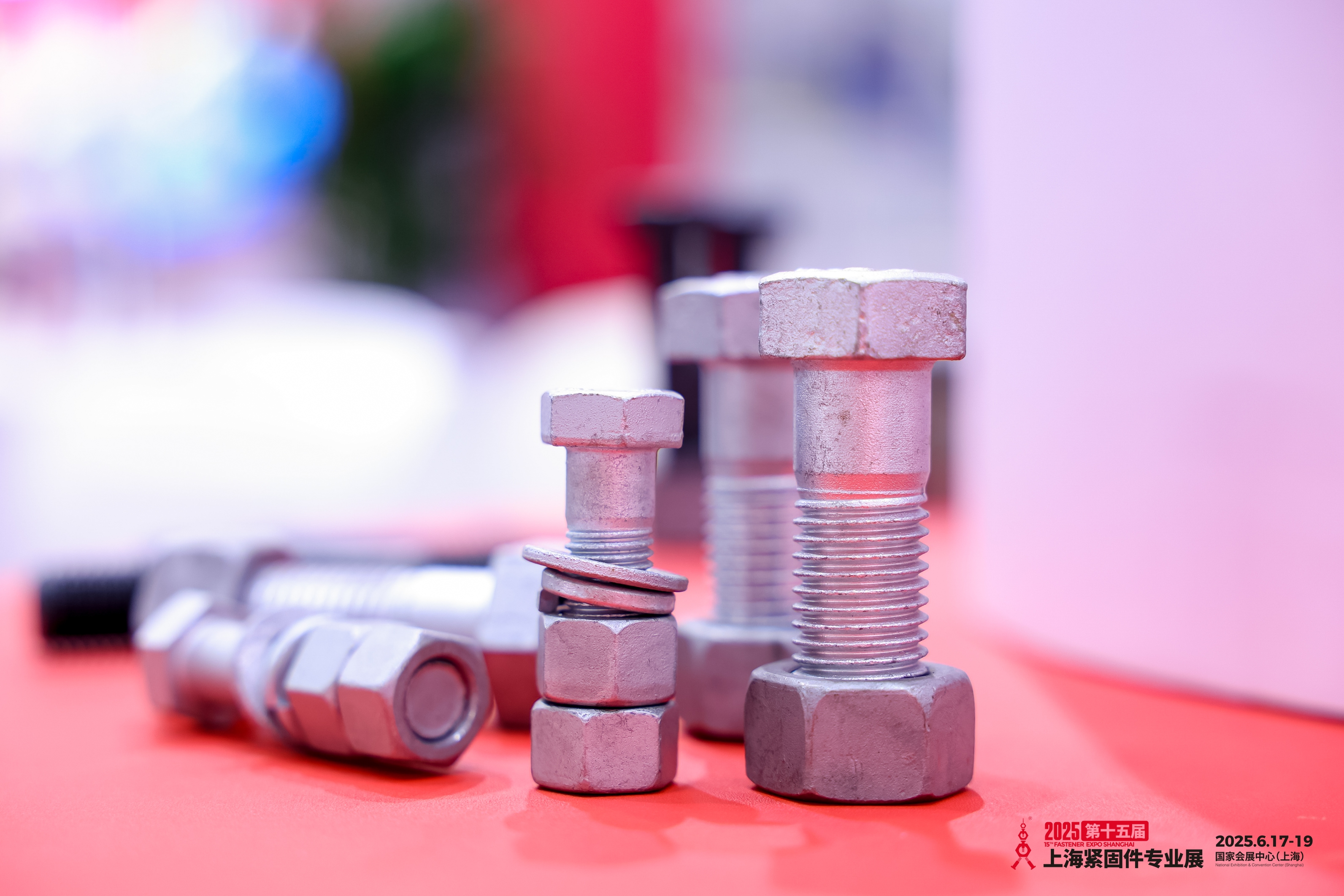
Steel buildings do not become stable systems on their own. Beams, columns, and braces rely on joints to hold them together. Bolts do more than transfer loads; they influence durability, seismic performance, and lifecycle costs. As urban renewal projects and large-scale public works accelerate, structures become more complex, and demands on fasteners grow accordingly. Strength is only the starting point. Ductility, corrosion resistance, installation consistency, and long-term stability are now part of the conversation.
Engineers often note—half seriously—that a single problematic bolt rarely remains a single problem. In high-rise and long-span structures, joint slippage or loss of preload can alter load paths and create risks that are difficult and costly to correct later. As a result, high-grade, high-reliability bolts are increasingly replacing conventional standard fasteners and are being discussed earlier in the design phase.
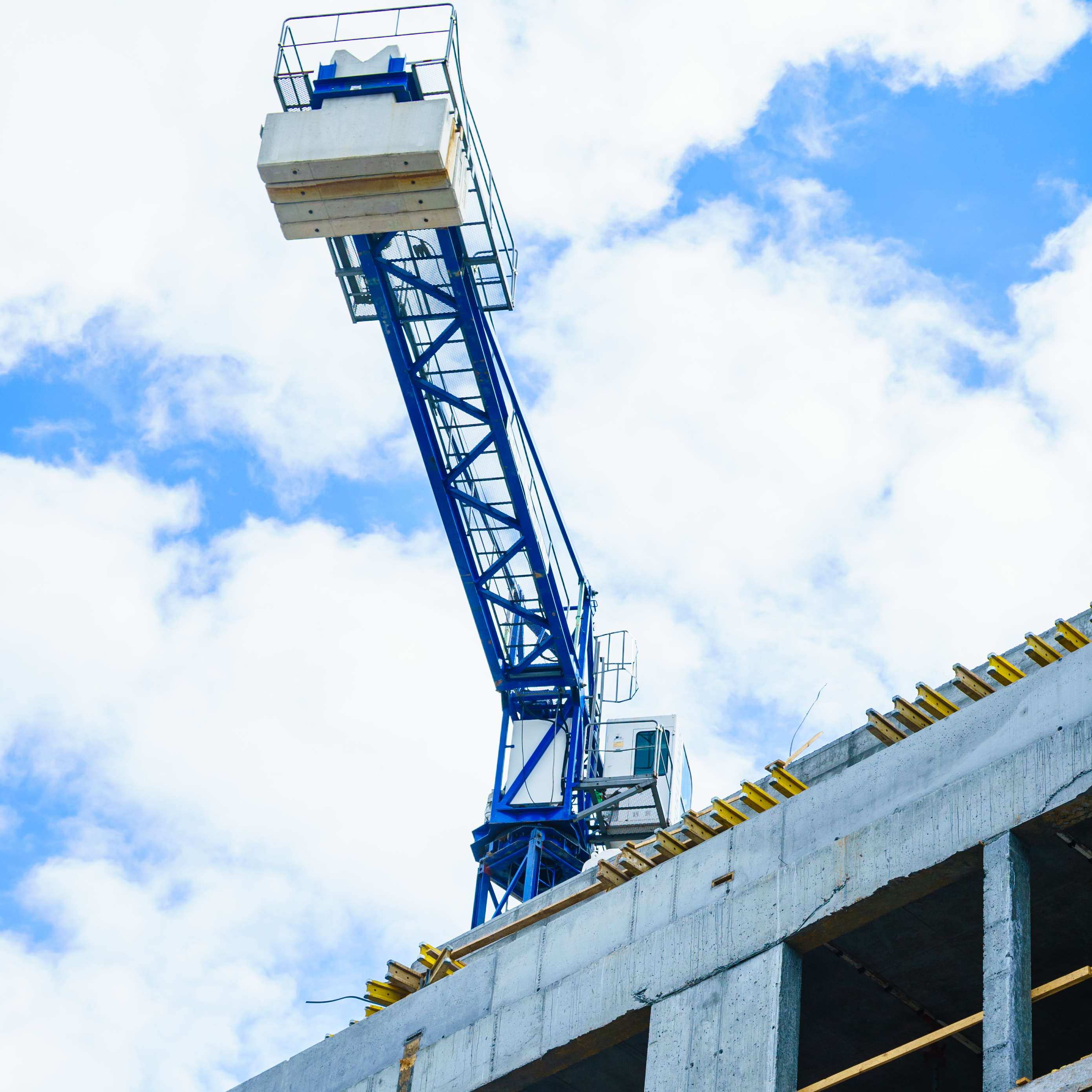
The industry’s mindset is also shifting. Meeting codes used to be enough; today, project owners and designers ask whether a connection will remain reliable over decades. Large-span roofs require bolts capable of maintaining preload under sustained loads. Coastal bridges and waterfront structures increasingly rely on corrosion-resistant coatings or duplex stainless steel. In seismic zones, high-ductility bolts and anti-loosening designs improve energy dissipation and resilience. Bolts are now treated as integral parts of the structural system, not consumables.
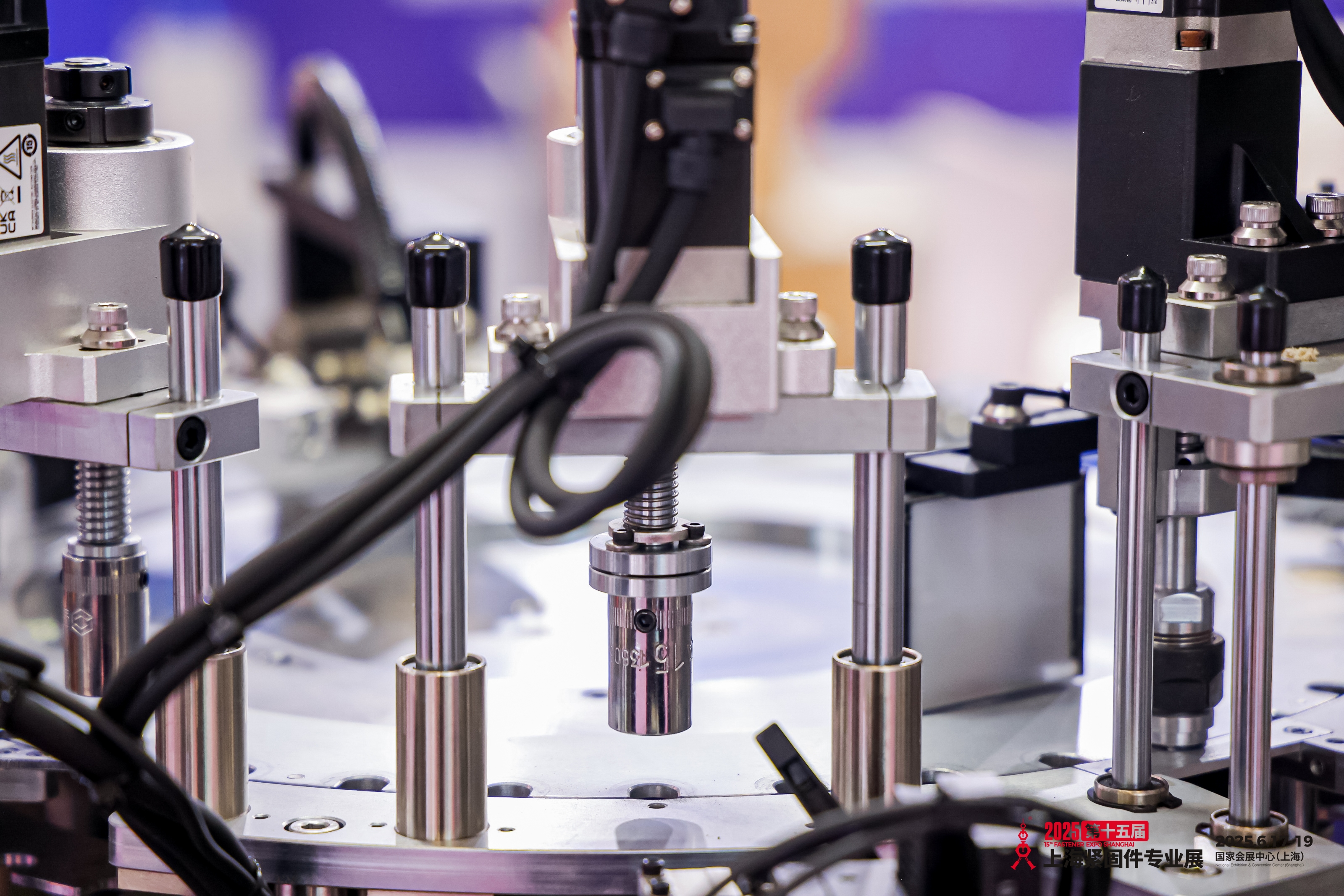
This shift is pushing fastener manufacturers to evolve. Innovation now extends beyond materials to include process optimization and quality control. More precise thread machining improves preload stability. Refined heat treatment enhances resistance to brittle fracture in cold climates. Full-process traceability systems allow major projects to monitor bolts from raw material to installation. As prefabricated and industrialized construction methods expand, standardization, batch production, and digital management are becoming the norm, accelerating the adoption of smart manufacturing across the fastener industry.
Many industry observers believe that connection reliability is emerging as a tangible metric of steel structure quality. In super-tall and long-span projects, bolts must withstand not only static loads but also wind, temperature variation, and long-term dynamic effects. Design, manufacturing, installation, and maintenance must work together. In this context, bolts are no longer just construction materials; they are core elements of structural safety.

Fastener Expo Shanghai 2026 will deepen its construction-focused programs, bringing together design institutes, EPC contractors, steel structure fabricators, and fastener manufacturers. Through real project case studies, performance verification data, and innovative product showcases, the exhibition aims to provide practical connection solutions. Dedicated forums will explore high-strength bolt performance, prefabricated building connections, and the evolving landscape of corrosion-resistant materials.
As cities grow taller and more complex, expectations for safety, sustainability, and longevity continue to rise. Small as they may seem, bolts now carry greater responsibility than ever. These unseen connections may ultimately determine whether urban landmarks can stand the test of time—and Fastener Expo Shanghai 2026 will remain a platform supporting that ongoing progress.
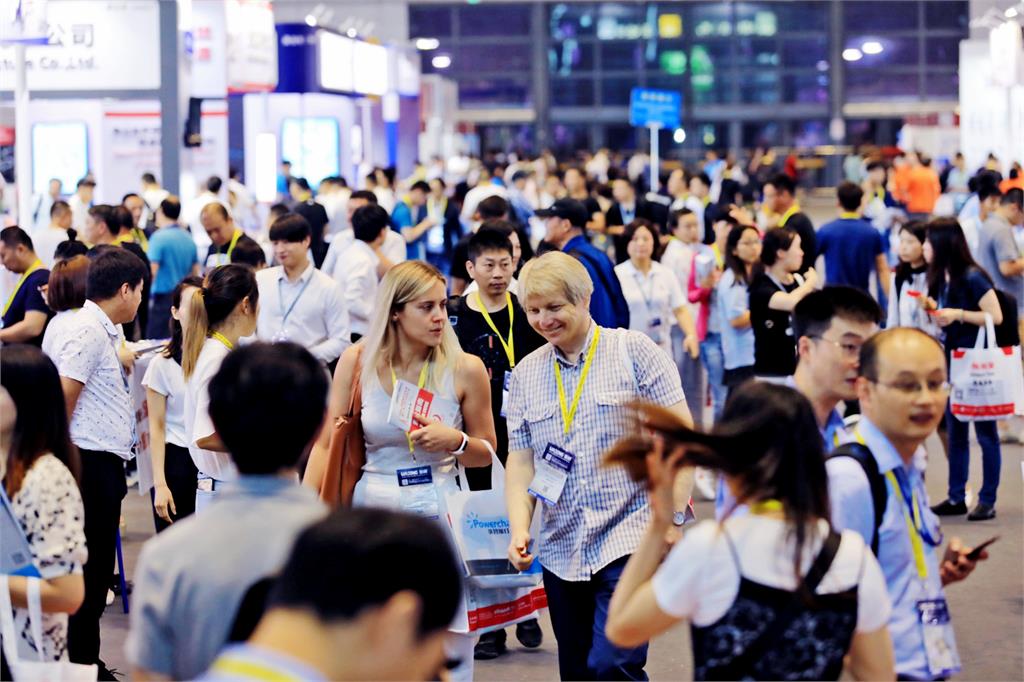
After fifteen consecutive editions, the Fastener Expo Shanghai (FES) has developed into one of the “three major global fastener trade shows.” Its exhibitors, product quality, event content, the number of domestic and international visitors, and on-site transaction volume all set industry benchmarks. In 2025, the expo further became the largest fastener exhibition in the world in terms of exhibition area.
Official Website: www.fastenerexpo.cn/en
Media Contact: Goblic Hu
Email: goblic.hu@ebseek.com
Phone: +86 138 1631 0340






Please first Loginlater ~