Analysis of Manufacturing Process Optimization and Technological Innovation in Cold Heading Dies for Fasteners
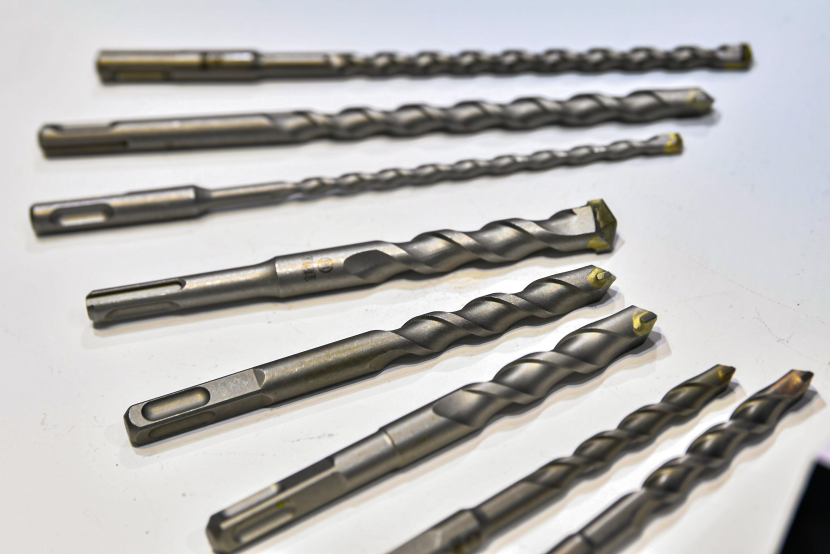
Within the fastener manufacturing chain, cold heading equipment is often more visible; however, the key factors determining dimensional consistency, forming stability, die life, and overall cost are the cold heading dies themselves. Especially with the continuous upgrading of high-strength bolts, automotive fasteners, wind power fasteners, and special-shaped components, dies are no longer merely “consumables” but have become core process units that directly impact production line efficiency, yield rate, and delivery capability.
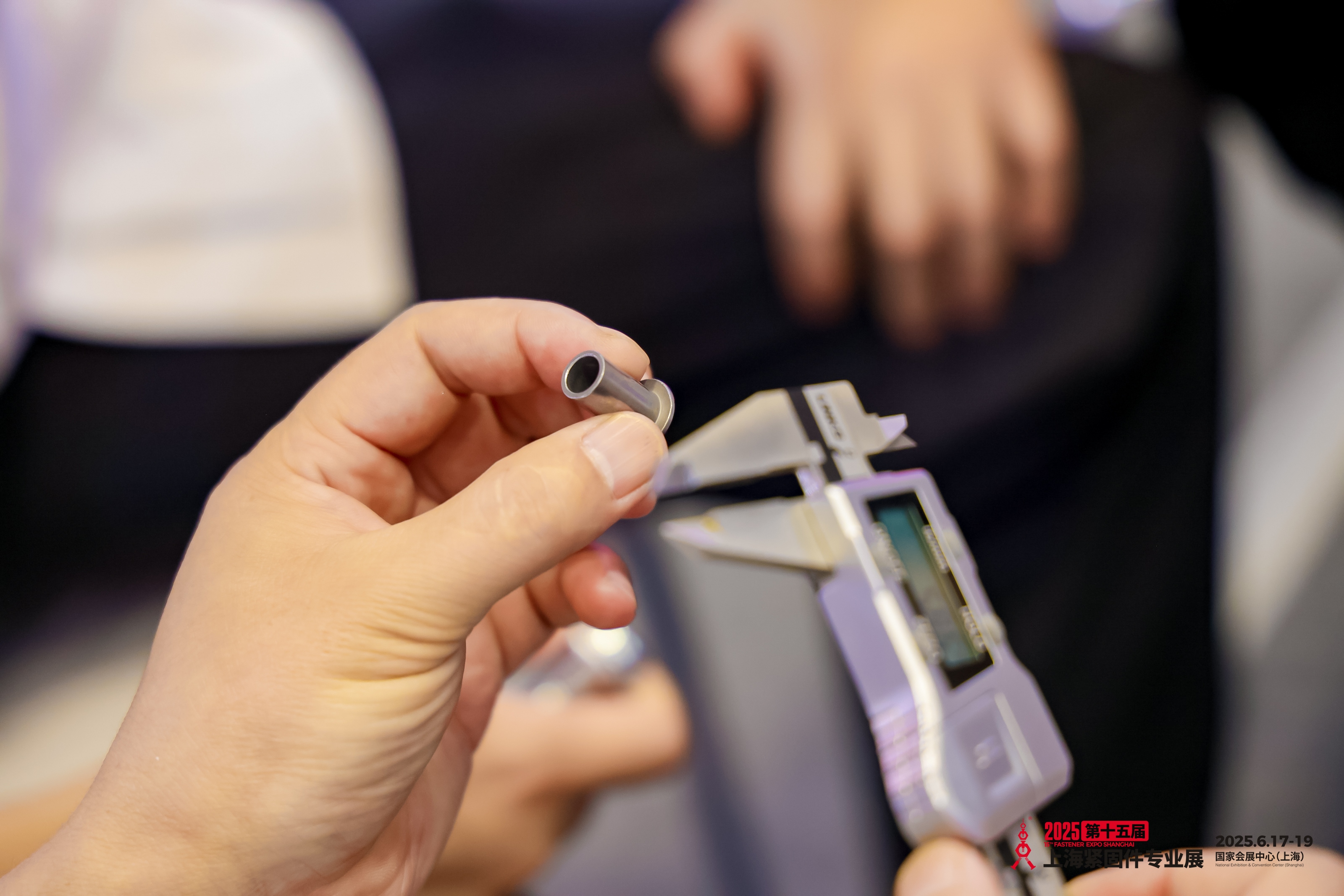
Recently, the journal Mould Manufacturing published an article titled “Manufacturing Process Optimization and Technological Innovation of Cold Heading Dies for Fasteners”, which systematically ուսումնասիրes optimization paths in material selection, heat treatment, and surface strengthening technologies to address common issues such as short die life, low precision, and high costs. The study indicates that by adopting new high-speed tool steels, optimizing vacuum heat treatment parameters, and developing plasma nitriding composite treatment technologies, surface hardness can be increased by 28%, wear resistance by 35%, service life extended by 2.8 times, die precision controlled within ±0.01 mm, and manufacturing costs reduced by approximately 20%. These results clearly signal that cold heading die manufacturing is rapidly transitioning from “experience-based manufacturing” to a systematic upgrade characterized by precision, integration, and intelligence.
Why Cold Heading Dies Are a Key Variable in Fastener Manufacturing Upgrades
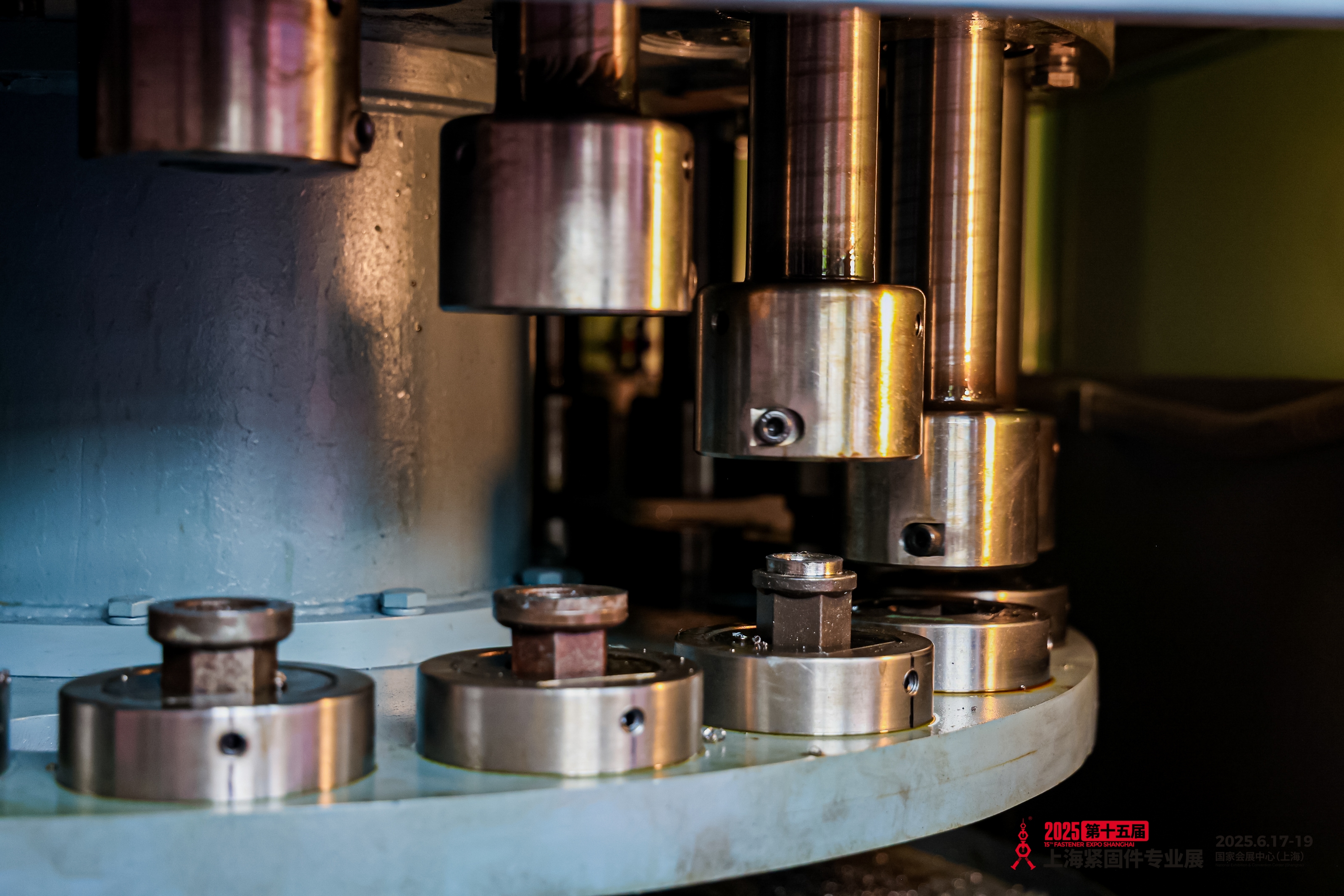
Cold heading is essentially a room-temperature plastic forming process. Metal wire or bar stock undergoes feeding, cutting, pre-forming, and final forming within multi-station machines in extremely short cycles, achieving volume redistribution. While it may appear that forming depends mainly on the machine’s impact force and cycle stability, the deeper determinants of forming contour, dimensional accuracy, surface quality, and die replacement frequency are die cavity design, material selection, heat treatment structure, and surface strengthening condition.
In other words, durability alone is not sufficient for cold heading dies. They must withstand high-stress impacts while maintaining dimensional stability under cyclic loads. They must provide high surface hardness and wear resistance without becoming too brittle, which could lead to chipping, spalling, or premature failure. With increasing demand for high-strength fasteners, large-size products, and complex geometries, traditional combinations of “material + conventional heat treatment + single surface treatment” are no longer adequate to meet the multiple objectives of high quality, long life, and low total cost.
From Traditional Processes to System Optimization: Key Changes in Die Manufacturing
One of the most significant contributions of the study is not just performance data, but the structural transformation it reveals in die manufacturing processes.
First, optimization is shifting upstream to blank preparation and pre-processing. Traditionally, emphasis was placed on heat treatment and finishing; however, the study highlights near-net-shape forging, improved material deformation uniformity, and advanced machining methods such as wire EDM and multi-path CNC processing. These approaches enhance blank density and rough machining precision, reduce machining allowances, and streamline process transitions. This means quality control begins at the blank stage rather than relying on downstream correction.
Second, heat treatment is evolving from simply “increasing hardness” to “ensuring stability.” While hardness remains important, the key lies in balancing hardness, toughness, fatigue strength, residual stress, and dimensional stability. Techniques such as zoned heating, vacuum heat treatment, isothermal quenching, multi-stage tempering, and cryogenic treatment aim to reduce deformation, optimize martensitic structure, and improve carbide distribution. This enables dies to maintain toughness and dimensional stability even at high hardness levels—critical for reducing downtime and scrap costs in production.
Third, surface strengthening is moving from single-layer to composite treatments. The study emphasizes plasma nitriding combined with PVD coatings such as (Ti,Al)N. This reflects a broader trend in surface engineering: instead of pursuing maximum hardness alone, composite gradient structures are used to enhance wear resistance, fatigue resistance, anti-spalling performance, and reduce friction. Plasma nitriding provides a supportive diffusion layer, while PVD coatings further improve surface hardness and tribological performance. Compared to single treatments, composite processes better match real operating conditions involving high impact and contact stress.
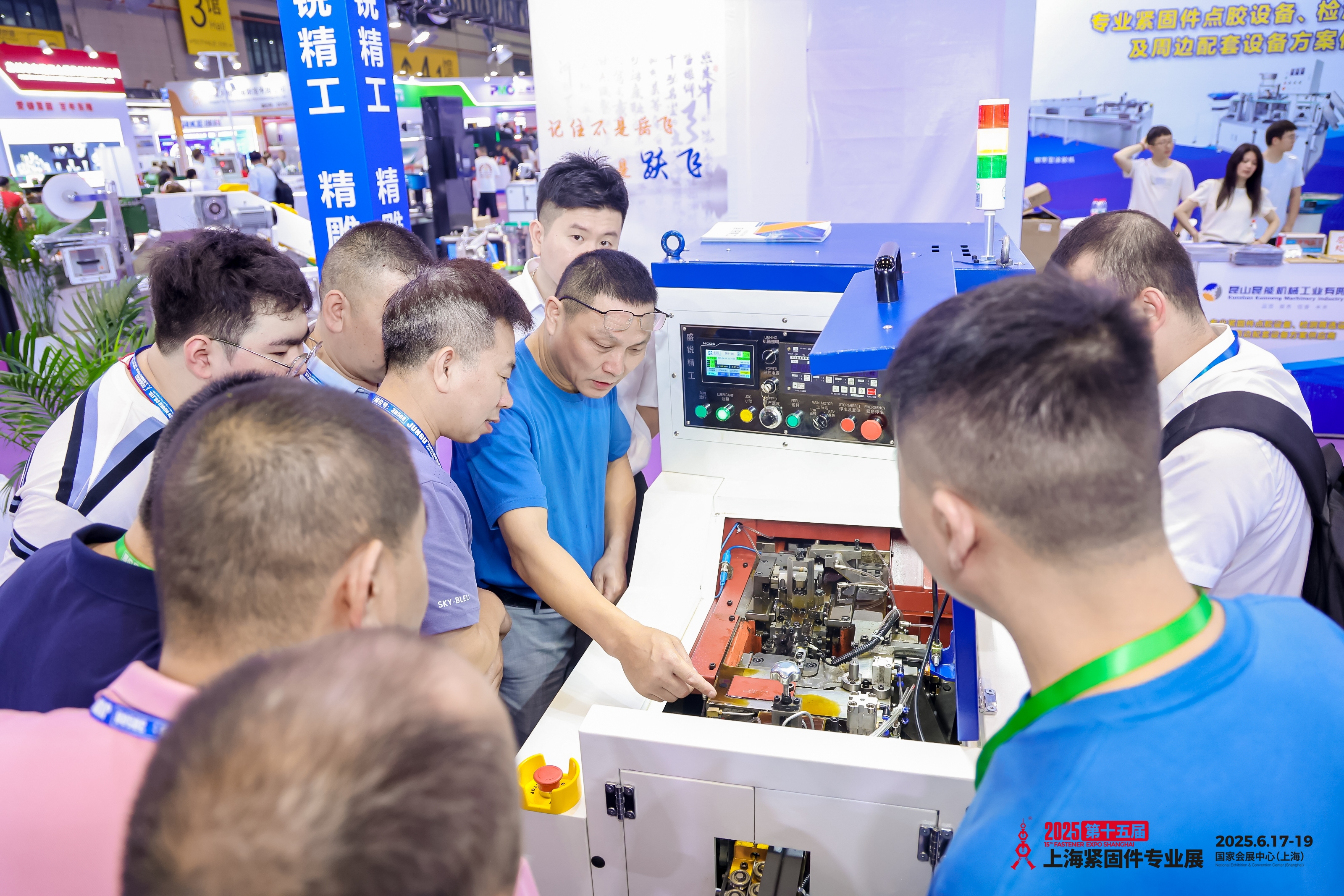
True Innovation Lies in Integrated Process Chains
From an industry perspective, the study suggests a shift in how companies should evaluate die competitiveness. Previously, focus was often on single indicators such as material grade or hardness. Today, cold heading dies represent a system-level engineering challenge.
Factors such as blank microstructure, machining allowance control, heat treatment uniformity, cryogenic optimization, nitriding depth, coating adhesion, surface roughness, and online inspection capability collectively determine performance. Competition among die manufacturers is shifting from individual process capabilities to full-chain integration.
The study also highlights the growing importance of intelligent manufacturing. Technologies such as industrial IoT-based MES systems, real-time process data acquisition, digital twin simulation, machine vision, and laser scanning inspection indicate that die manufacturing is transitioning toward data-driven precision manufacturing. For high-end fastener producers, traceability, digitalized process parameters, and online quality control are becoming essential for ensuring batch consistency and delivery reliability.
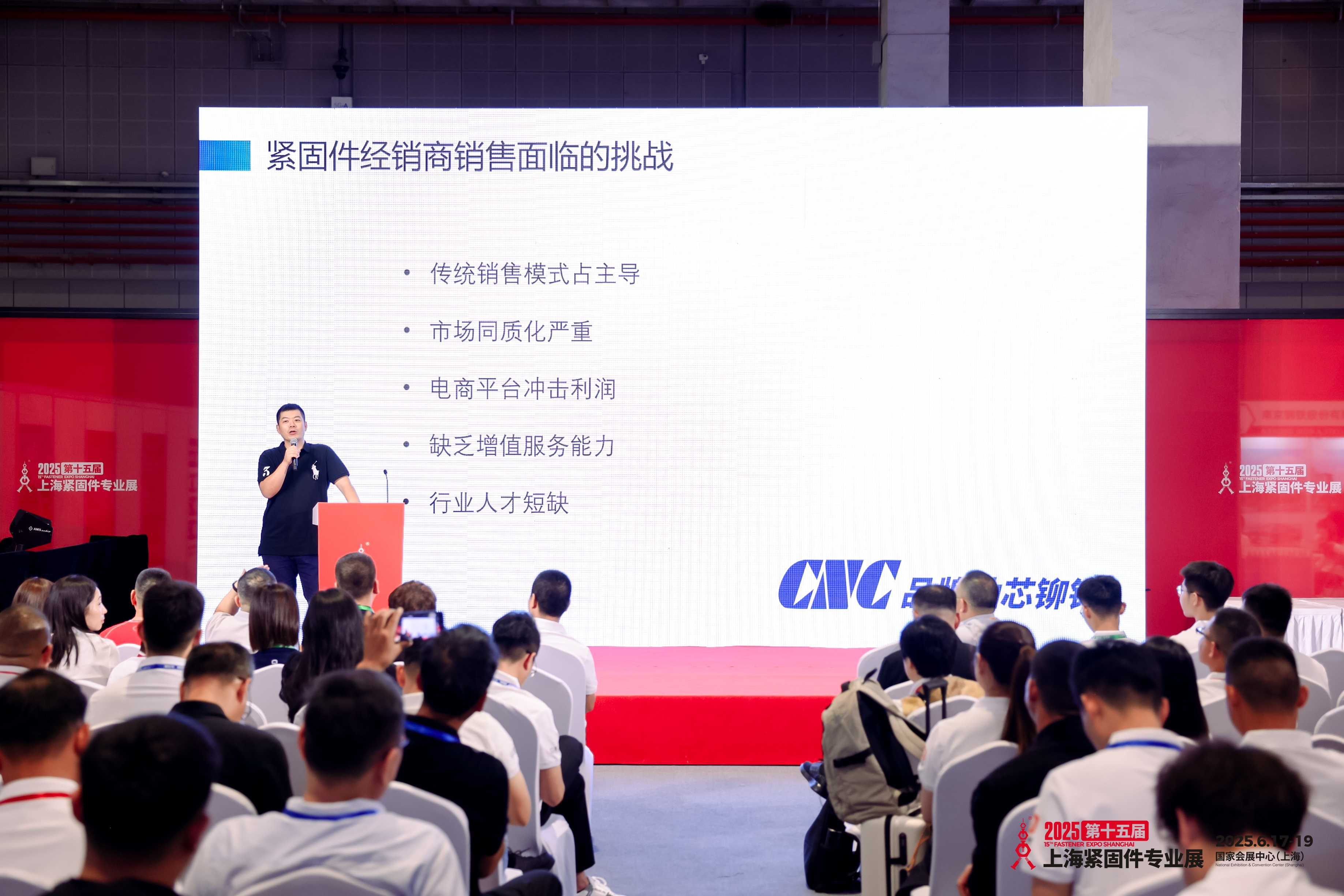
What Die Optimization Means for Fastener Manufacturers
In practical production, die optimization translates directly into operational benefits. Longer die life reduces replacement frequency and downtime; improved dimensional stability increases product consistency and first-pass yield; enhanced wear resistance minimizes dimensional drift during long production cycles.
In other words, die optimization is not just a technical issue—it is a business issue affecting manufacturing cost, delivery reliability, and customer satisfaction.
For die manufacturers, the study signals a shift toward solution-based offerings. Customers are no longer buying individual dies but integrated solutions tailored to specific forming conditions. In sectors such as automotive, wind power, and aerospace fasteners, performance under real working conditions matters more than unit price. Companies capable of integrating materials, heat treatment, surface engineering, inspection, and process validation will gain a competitive edge in high-end markets.
Why These Trends Matter at Fastener Expo Shanghai 2026
As cold heading die manufacturing enters an era of multi-process collaborative innovation, companies increasingly need a platform that brings together dies, equipment, heat treatment, surface engineering, materials, inspection, and end-use applications.
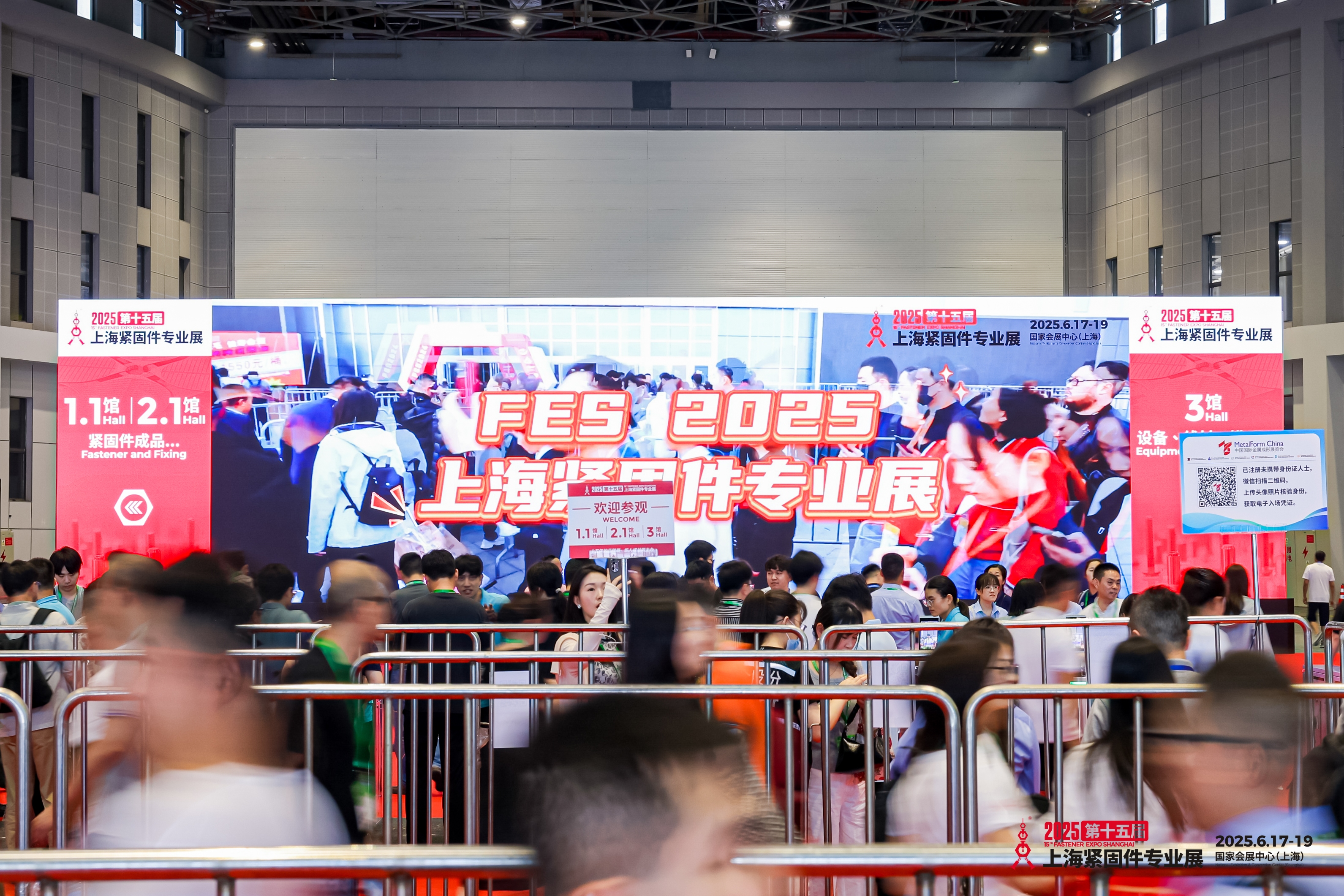
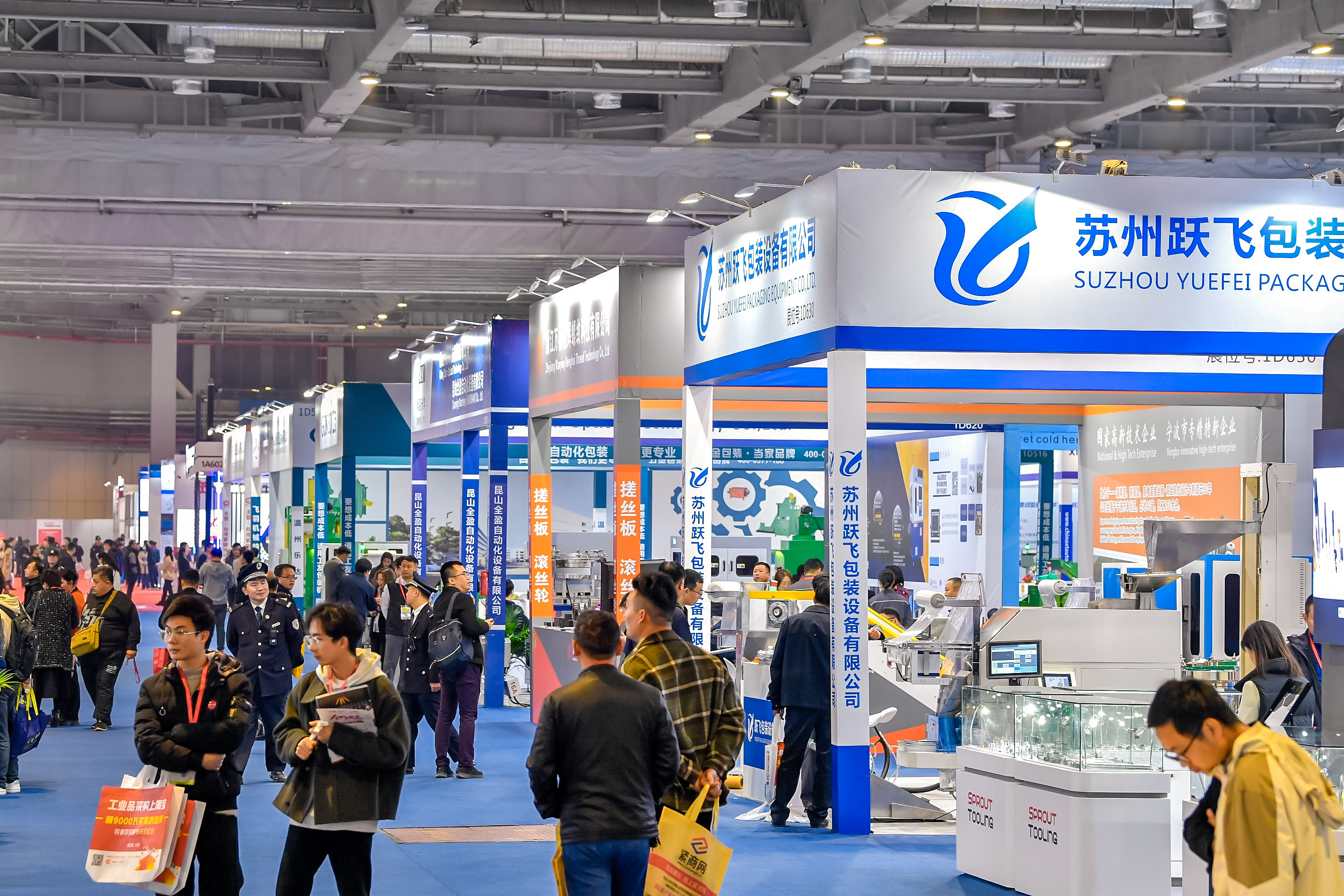
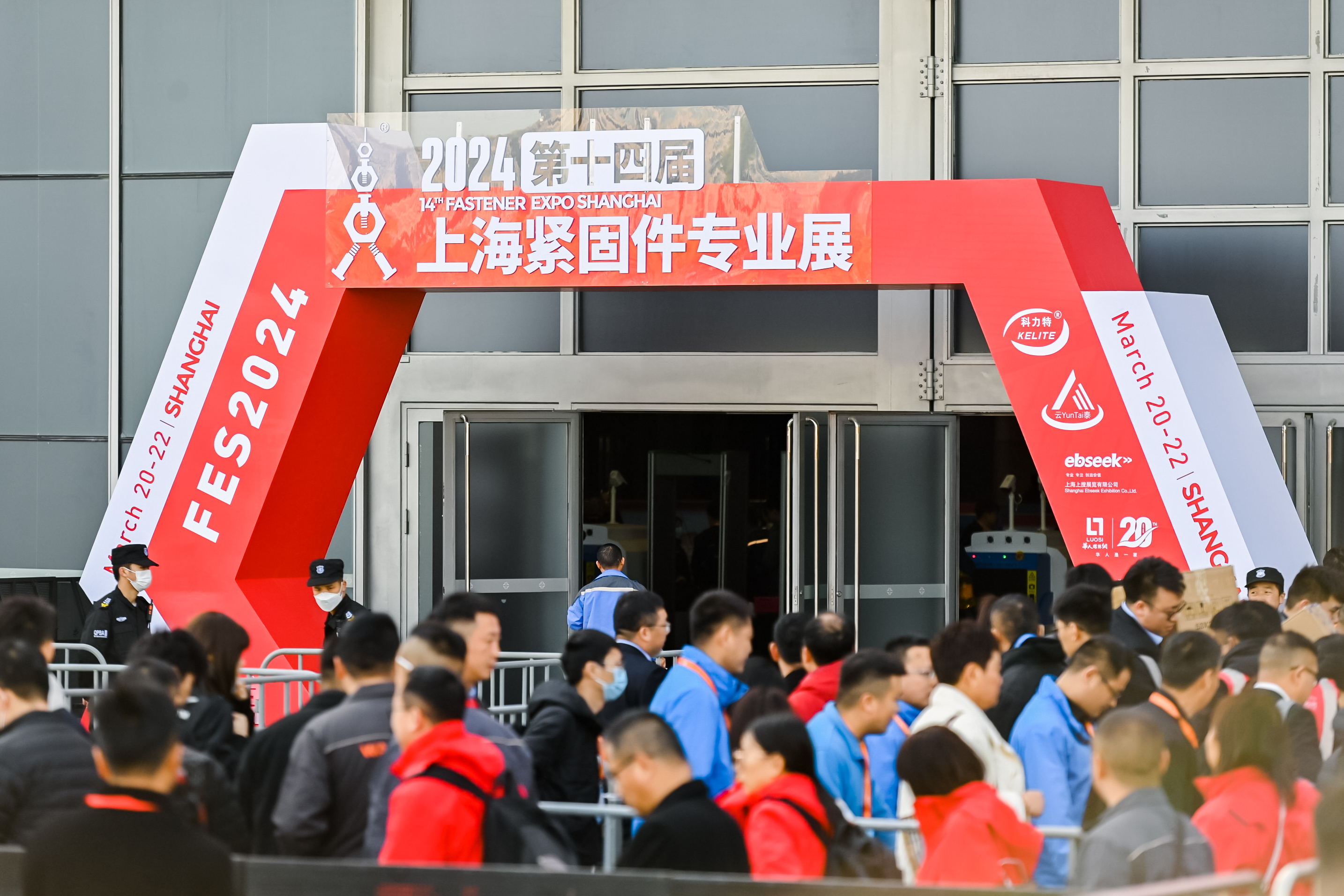
According to official information, Fastener Expo Shanghai 2026 will take place from June 24 to 26, 2026, at the National Exhibition and Convention Center (Shanghai), covering Halls 1.1, 2.1, and 3, with an exhibition area of 70,000 square meters. It is expected to host over 1,400 exhibitors, 25,000 professional visitors, and 1,000+ overseas buyers, along with 50+ concurrent events. Organized by Shanghai Afastener Exhibition Co., Ltd. and Luosi.com, the event has been deeply rooted in the fastener industry since 2010 and is positioned as a comprehensive platform covering the entire fastener supply chain.
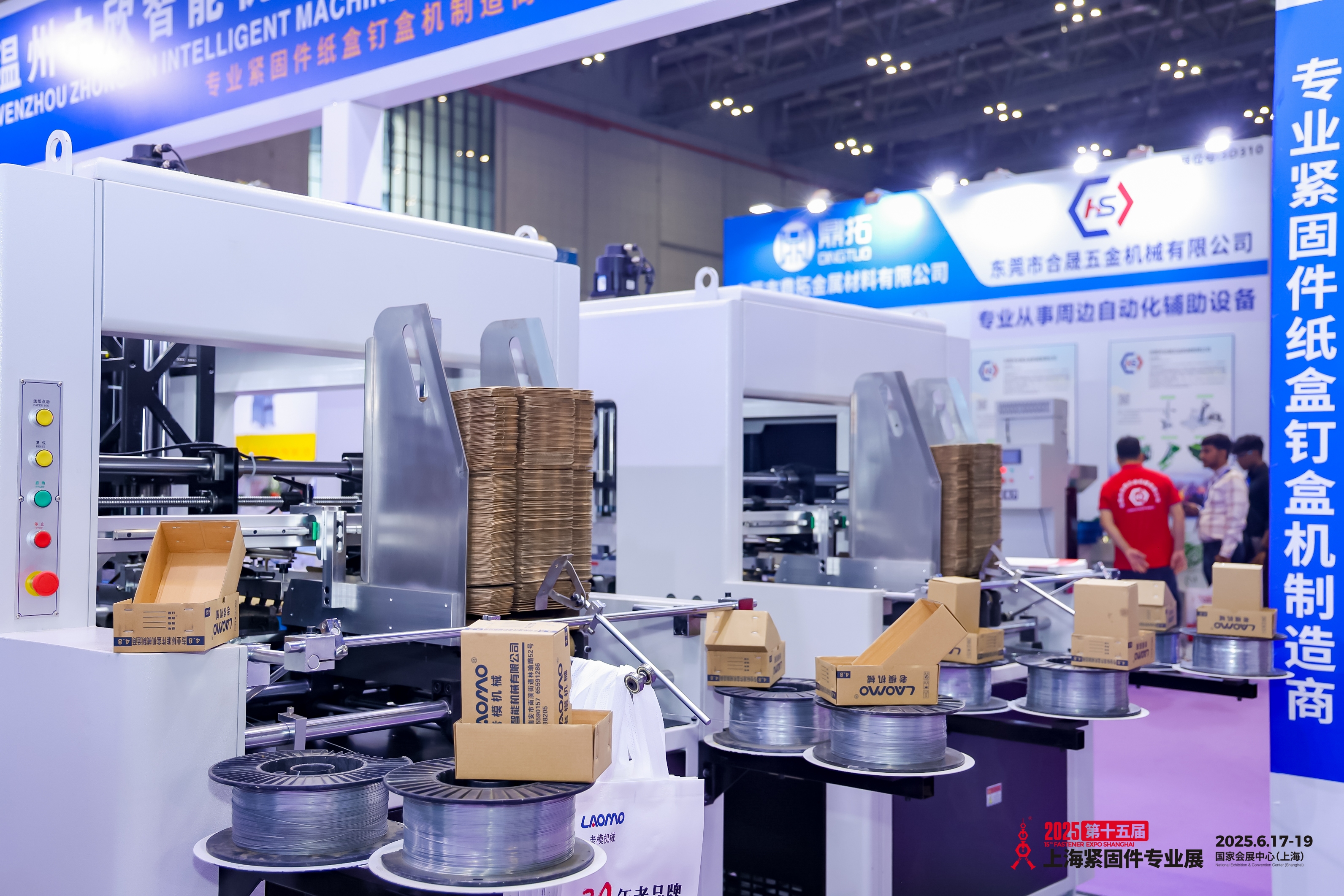
For those focused on cold heading dies, this means that the key technologies discussed—advanced die materials, vacuum heat treatment, cryogenic processing, plasma nitriding, PVD coatings, precision inspection, and intelligent manufacturing—can be explored in real industrial contexts. The exhibition provides opportunities to connect directly with equipment suppliers, die manufacturers, material providers, heat treatment specialists, surface engineering service providers, and inspection solution vendors.
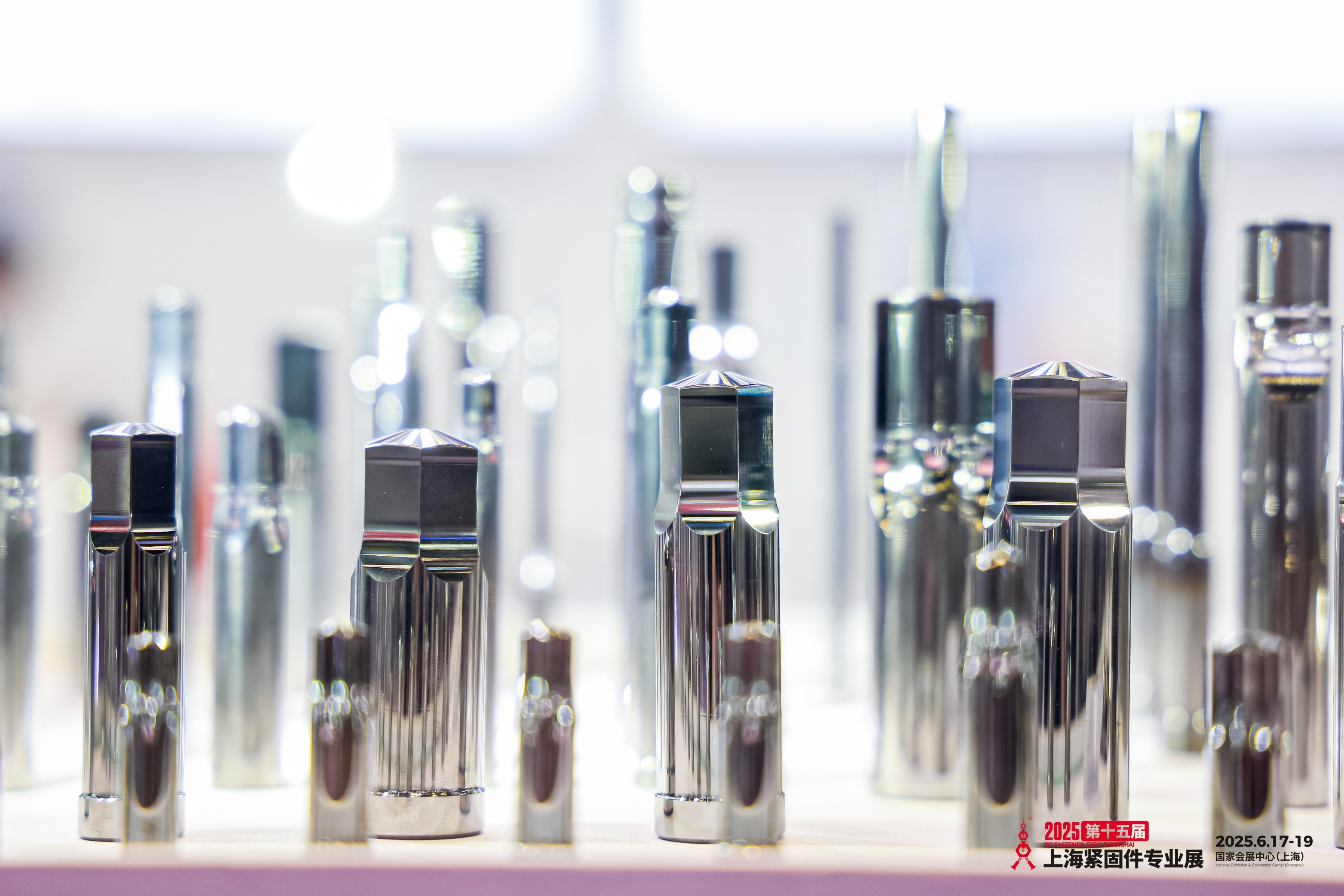
The Future of Cold Heading Dies: Smarter, More Stable, More Verifiable
The study makes it clear that the future of cold heading die manufacturing lies in five major directions: advanced materials, precision heat treatment, composite surface engineering, online inspection, and digital manufacturing. These trends reflect the fastener industry’s ongoing pursuit of higher precision, longer life, lower total cost, and greater manufacturing reliability.
Advancements in die technology are not isolated—they define the limits of cold heading processes, enable stable mass production of high-strength and high-value fasteners, and influence the global competitiveness of the fastener industry.
If equipment determines the “framework” of a production line, dies determine its “precision” and “endurance.” At a full-industry-chain platform like Fastener Expo Shanghai 2026, this technological evolution in cold heading dies will undoubtedly be one of the most important topics to watch.
Fastener Expo Shanghai 2026
Date: June 24–26, 2026
Venue: the National Exhibition and Convention Center (Shanghai)
Scale: 70,000 sqm exhibition area, 1,400+ exhibitors, 25,000+ visitors
Media Contact
Contact: Goblic Hu
Tel: +86-21-6386 0616
Email: goblic.hu@ebseek.com
Website: www.fastenerexpo.cn
Address: Room 1510, Guotai Haitong Guangdong Road Building, No. 689 Guangdong Road, Huangpu District, Shanghai








请先 登录后发表评论 ~