

Comparing Global and Domestic Automotive Fastener Standards: Differences and Challenges
As the global automotive industry accelerates toward electrification, intelligence, and platform-based development, fasteners—once regarded as basic components—are increasingly recognized as critical elements within vehicle manufacturing systems. Closely tied to vehicle safety, reliability, and mass-production consistency, fastener standards have become a key indicator of the maturity of different automotive engineering systems.
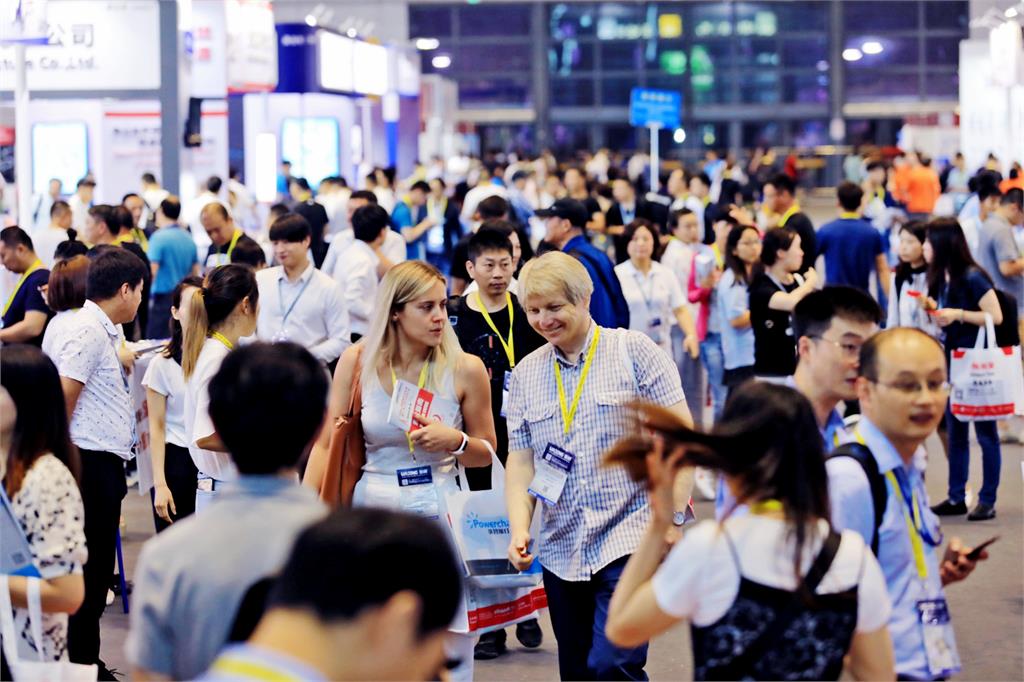
After fifteen editions of continuous development, Fastener Expo Shanghai (FES) has established itself as one of the three leading professional fastener exhibitions worldwide. With benchmark influence across exhibitor quality, product coverage, professional forums, international buyer attendance, and on-site business transactions, the show became the world’s largest fastener exhibition by floor area in 2025.
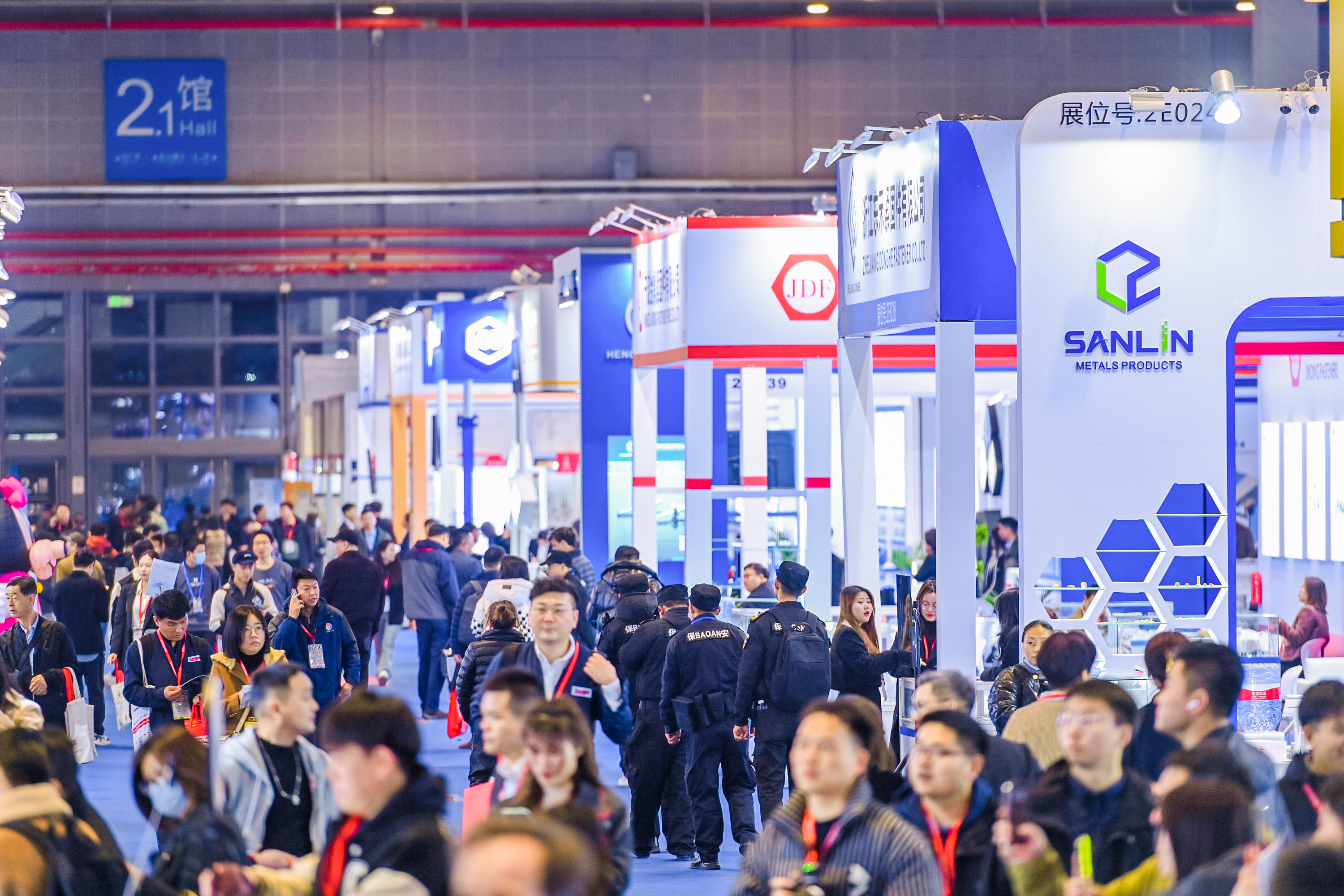
Against this backdrop, Fastener Expo Shanghai 2026 will take place from June 24–26, 2026, at the National Exhibition and Convention Center (Shanghai). Covering 70,000 square meters, the event is expected to attract 1,400+ exhibitors and 25,000+ professional visitors. The differences and convergence of fastener standards between global OEMs and domestic automotive manufacturers will once again become a focal topic for industry discussion.
In established global automotive manufacturing systems, fastener standards are deeply embedded in the vehicle development process rather than treated as isolated specifications. Fastener selection is typically integrated at the early design stage, coordinated with body structure, material engineering, assembly processes, and quality management. Based on international standards such as ISO, DIN, ANSI, and JIS—combined with OEM-specific technical requirements—these systems form structured, traceable, and highly consistent fastener standard frameworks. The emphasis extends beyond individual mechanical properties to long-term stability, batch consistency, and reproducibility across global production environments.
By contrast, domestic automotive manufacturers are in a phase of rapid improvement in fastener standardization. As local brands expand aggressively in the new energy and intelligent vehicle sectors, higher demands are being placed on lightweight design, strength, fatigue resistance, and corrosion performance. However, differences in vehicle platforms, development cycles, and project timelines have led to challenges in standard consistency and continuity. In some cases, standards rely more on project-based experience, increasing complexity in quality management, supply chain coordination, and platform reuse.
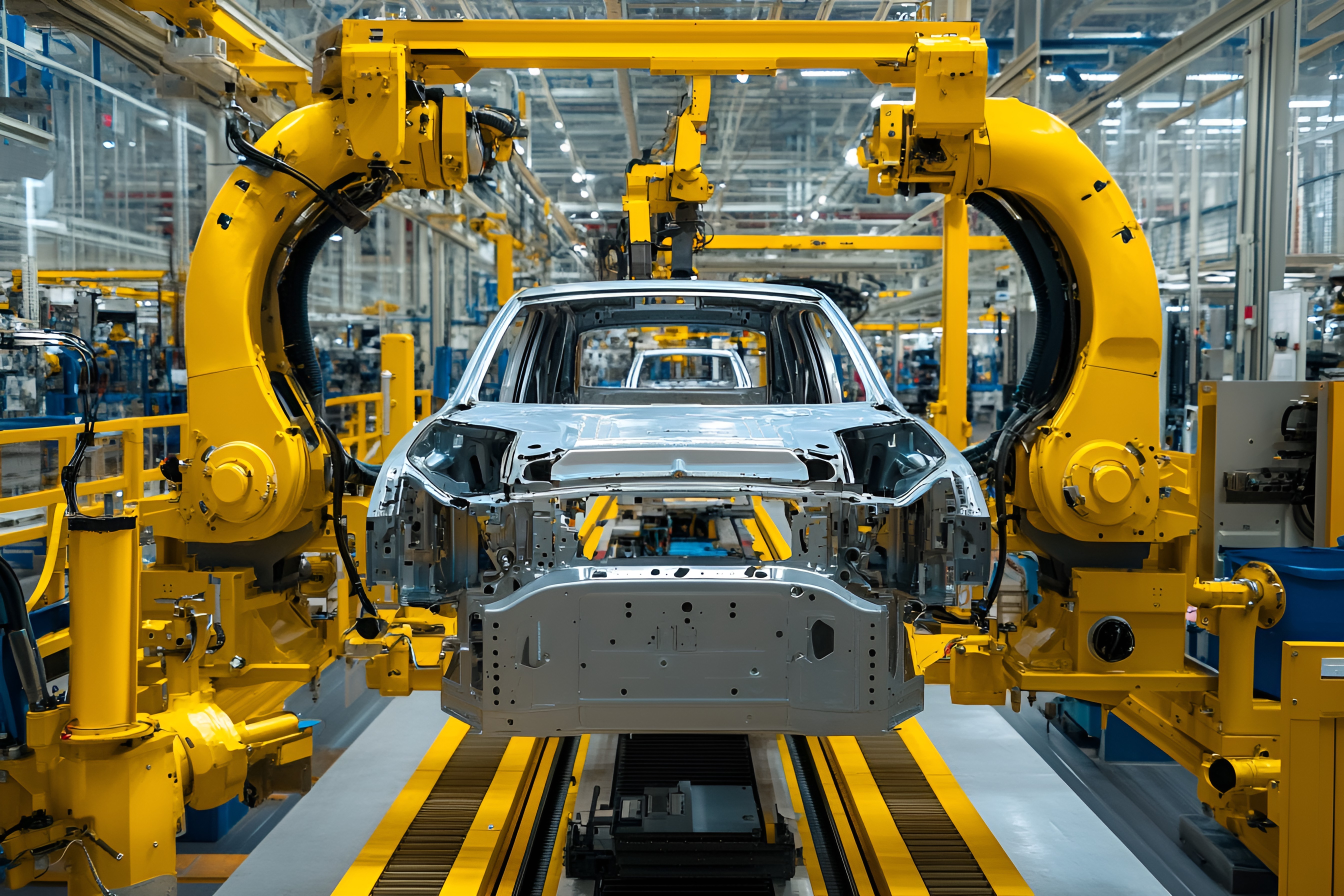
The gap between global and domestic fastener standard systems fundamentally reflects differences in industry maturity and engineering management philosophies. While global OEMs benefit from decades of accumulated experience and stable standard evolution paths, domestic manufacturers are simultaneously advancing product innovation and system development. As vehicle exports continue to grow, fastener standards are no longer merely internal engineering considerations—they are becoming a decisive factor in global market adaptability and competitiveness.
In this process, the role of fastener manufacturers is also evolving. Companies such as Aozhan Industrial Co., Ltd. and Shanghai Yixuan Automotive Standard Parts Co., Ltd. have strengthened their capabilities by aligning with both domestic and international automotive fastener standards. Through sustained investment in material control, process stability, and quality consistency, these manufacturers are enhancing product adaptability across multiple standard systems, demonstrating the growing value of domestic fastener suppliers within the automotive ecosystem.
As new energy vehicle architectures become more complex and vehicle integration levels increase, fasteners used in critical structural and safety-related areas are exposed to increasingly demanding operating conditions. This shift is driving the industry from performance-oriented evaluation toward a system-level, full lifecycle standardization mindset. For domestic automotive manufacturers, this transition presents both challenges and opportunities for further standard refinement.
Within this evolving landscape, industry dialogue around automotive fastener standards is more important than ever. Fastener Expo Shanghai 2026 will continue to serve as a key professional platform, bringing together OEMs, fastener manufacturers, and technical service providers to promote deeper alignment between global and domestic fastener standards—supporting the high-quality development of the automotive industry.
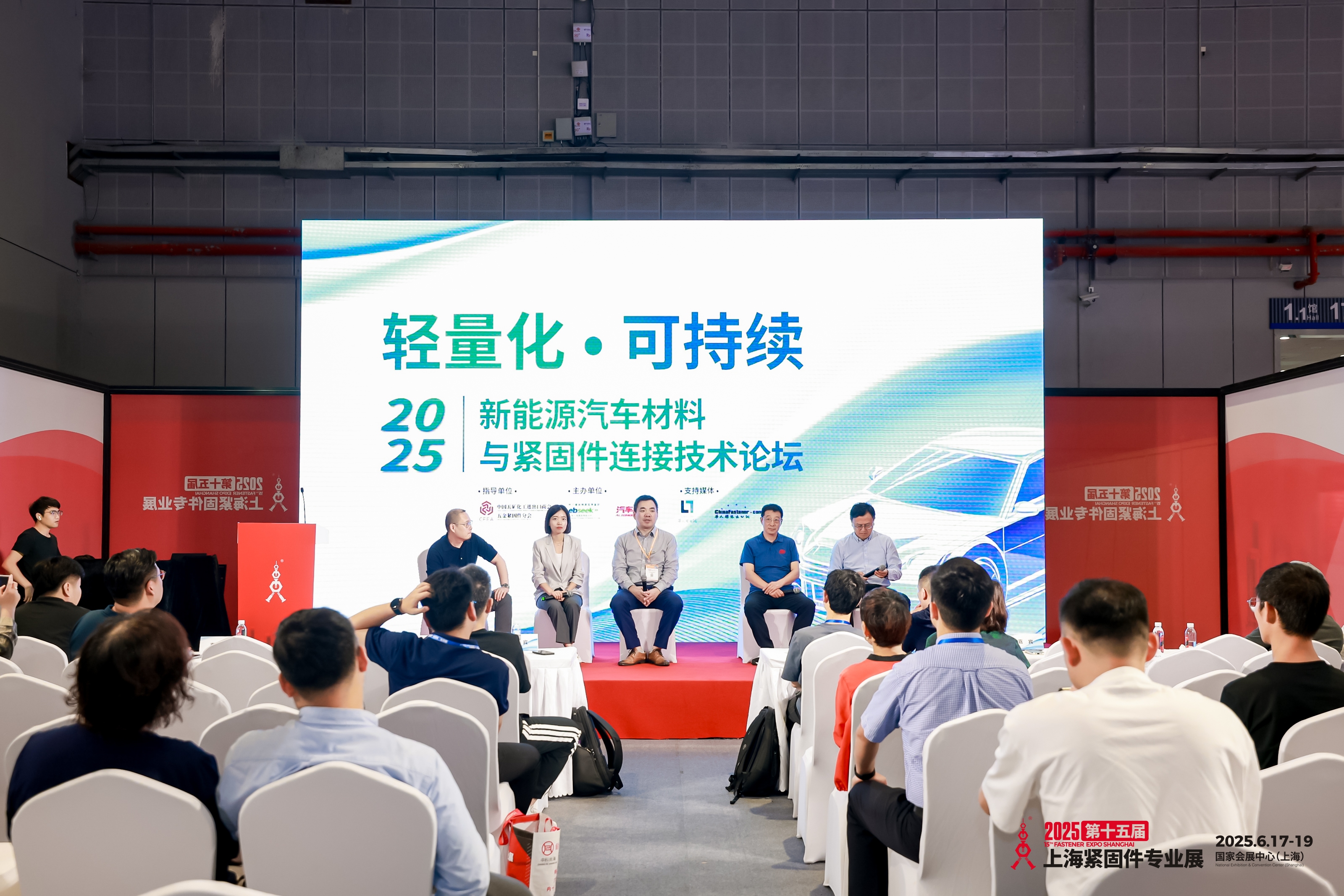
Benefiting from the rapid development of China’s fastener industry in recent years and the growing sourcing demand from international buyers, Fastener Expo Shanghai has established itself as one of the world’s three leading fastener exhibitions, alongside Fastener Fair Global (Stuttgart, Germany) and the International Fastener Expo (USA). In 2025, with an actual exhibition area of 65,000 square meters, Fastener Expo Shanghai became the largest professional fastener exhibition in the world by exhibition scale.
Official Website: www.fastenerexpo.cn/en
Media Contact: Goblic Hu
Email: goblic.hu@ebseek.com
Phone: +86 138 1631 0340







Please first Loginlater ~